Y营口港前10个月化肥吞吐量创历史同期新高
Since the beginning of this year, Yingkou Port of Liaoning Port Group has closely aligned itself with the national policies on ensuring the supply of agricultural materials. By fully leveraging its port location advantages, it has focused on building a bidirectional distribution hub for fertilizer imports and exports, breaking the traditional industry pattern of separating peak and off-peak seasons. Achieving a scenario of "off-season not off, peak season even busier," the scale of fertilizer business has witnessed leapfrog growth. In the first 10 months of this year, the fertilizer throughput at Yingkou Port increased by nearly 67% year-on-year, hitting a new record for the same period in history.
As an important fertilizer distribution center in Northeast China, Yingkou Port's fertilizer operation capabilities have upgraded from traditional loading, unloading, and storage to a comprehensive service system covering river-sea combined transportation and bonded logistics. Its level of specialization and operational resilience has seen significant improvement. From October each year to April of the following year, there is a peak in the import and transshipment of fertilizers, with over half of the fertilizers needed for spring farming in Northeast China transiting through this port during this time. Focusing on agricultural material transportation needs, Yingkou Port continuously enhances service quality and operating efficiency, providing solid support for stable agricultural production and supply in the region.
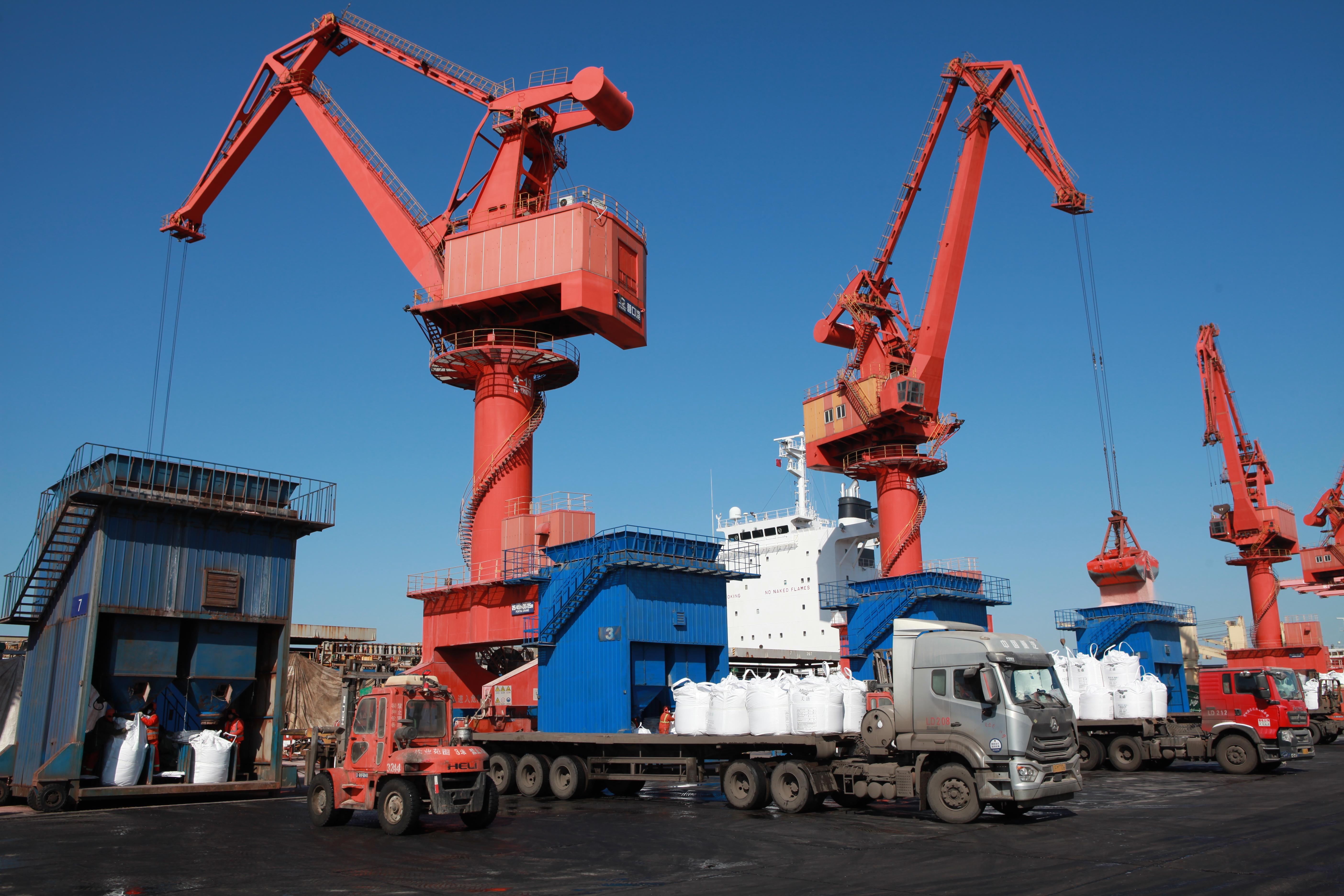
On July 22, the "Makati" vessel, loaded with 66,000 tons of high-quality fertilizers, slowly docked at the Bayuquan Port Area of Yingkou Port. As the first vessel arriving for the "fertilizer season" of 2026 to 2027, the successful docking of the "Makati" marks the official commencement of a new round of fertilizer supply and smooth operation campaigns at Yingkou Port. "Due to the earlier signing of large fertilizer contracts by clients this year, this round of the 'fertilizer season' started earlier than in previous years, with an advanced rhythm of fertilizer arrivals and pronounced characteristics of vessels arriving intensively," said Chen Hongbo, Senior Manager of the Freight Department at a company within Yingkou Port.
While ensuring smooth import supply channels, foreign trade exports have become the core driver of incremental fertilizer operations this year. In the first 10 months of this year, Yingkou Port's fertilizer-related foreign trade export operations increased by 170% year-on-year. Facing complex and volatile market conditions, Yingkou Port seized market opportunities and successively launched compound fertilizer and bulk urea export operations, making these new ventures pivotal in building a bidirectional distribution hub for fertilizer imports and exports. The source hinterland expanded from the traditional Northeast region to areas like Hebei, Shanxi, Yunnan, and Xinjiang, further broadening supply channels and expanding its foreign trade network. This has laid a solid foundation for stable and increased volumes in the fertilizer business.
Facing operational pressure from cumulative factors such as earlier potash contract signings and concentrated vessel schedules, Yingkou Port ensured coordinated scheduling and proactive measures to continuously optimize the entire process of fertilizer operations. "We proactively strengthened coordination with customs to implement a direct fertilizer clearance model; coordinated the efficient utilization of storage resources inside and outside the port, scientifically allocated workforce teams, and meticulously planned turnover areas to resolve operational blockages, step by step," said He Chuanfei, Manager of the Business Department at a company within Yingkou Port. During peak periods of overlapping import and export fertilizer operations, Yingkou Port ensured the simultaneous docking and continuous operation of multiple fertilizer ships, efficiently completing unloading tasks and ensuring smooth and efficient fertilizer import and export channels with stable port operational capabilities.
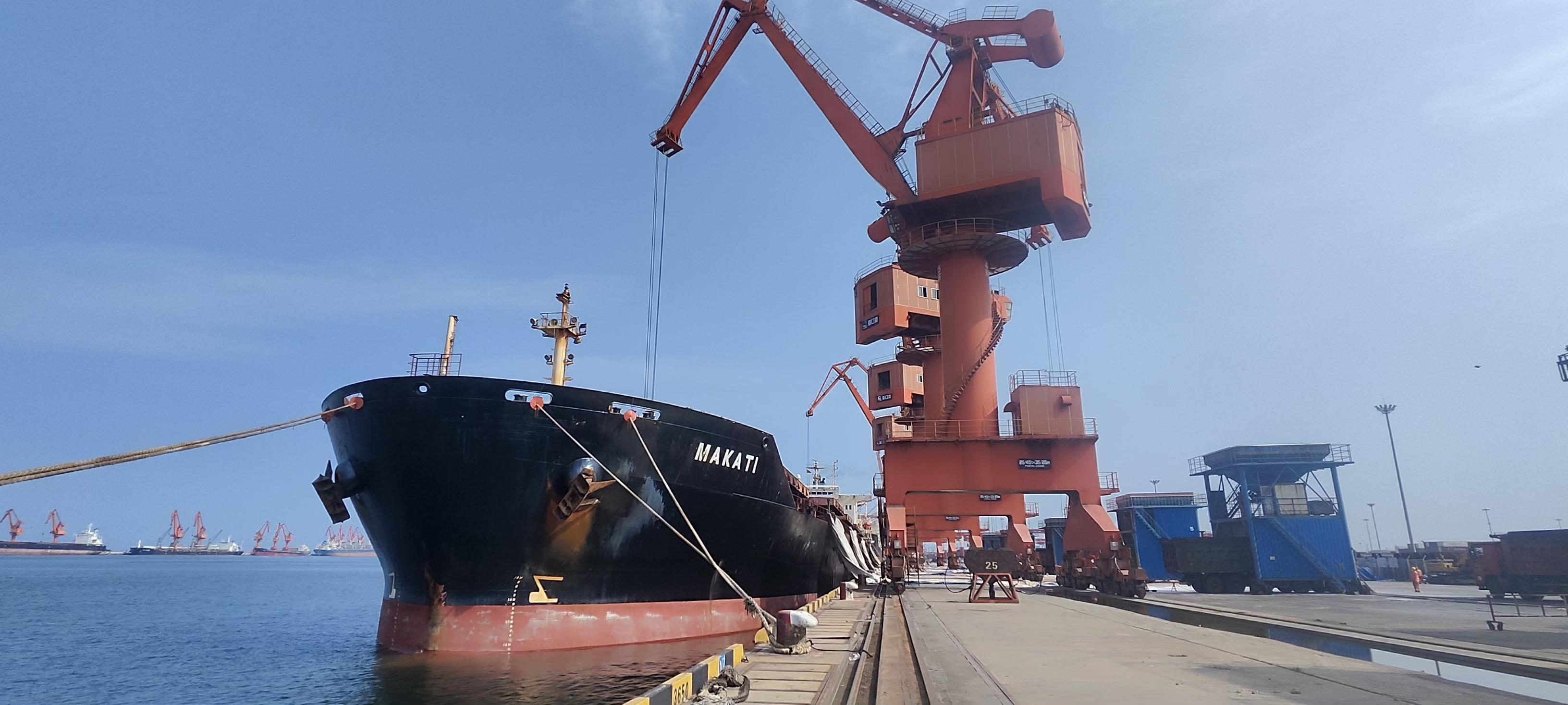
Behind the efficient operational capabilities lies the continuous optimization of production organization. Currently, Yingkou Port achieves an average ship unloading efficiency of 7,000 tons per day and night for fertilizers, with the capacity to simultaneously handle three fertilizer vessels during peak periods. This ensures "immediate docking and immediate operation, with smooth and orderly transshipment.” Leveraging the advantages of "combined road-rail transportation," Yingkou Port opened a "green channel" for fertilizer transportation, prioritizing freight car allocation, loading, and dispatching for fertilizer trains. For products like phosphate fertilizer, the port implemented an order-based packaging model of "producing based on sales," organizing production accurately according to enterprise shipping volumes, thus reducing secondary handling and ground storage. Relying on last year's launch of the exclusive river-sea combined transport route for fertilizers from the "Northeast Hinterland to the Yangtze River Line," the port has adopted a mode of "fixed ships, fixed routes, fixed schedules, fixed ports" to connect the north and south, providing enterprises with one-stop supply chain integrated services.
To continuously unleash the potential of fertilizer unloading and further optimize the allocation of port area resources, Yingkou Port has innovatively implemented a customer self-operation model in the Xianren Island Port Area. Enterprises can utilize port area spaces for independent operations such as storage and truck loading. At the same time, Yingkou Port has strengthened full-process control of on-site safety, quality, and efficiency to ensure safe, efficient, and smooth ship operations. Since its implementation, the scale of the fertilizer business at the Xianren Island Port Area has steadily expanded, effectively diverting fertilizer operations from the Bayuquan Port Area and alleviating its operational pressure, thereby forming a new model of fertilizer operations characterized by "one port in sync, two areas collaborating." This has opened up new space for the steady growth of annual fertilizer throughput.