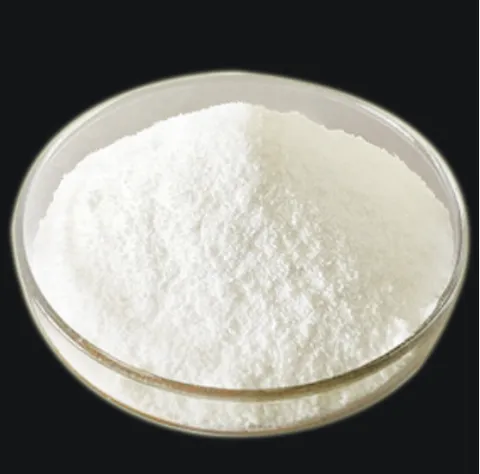
Ferric Chloride
3656
2025年05月08日 10:00:00
指南
亮点速览
本文系统介绍了三氯化铁(FeCl₃)的物理化学性质、生产技术、应用领域、市场现状及产业链关系。内容涵盖其分子结构、溶解性、强酸性水解行为、Lewis酸性与氧化性等核心特性;详细解析了直接氯化法、氯化亚铁氧化法、钛白副产法等主流生产工艺及其原料依赖;重点阐述其在水处理(主要用途,占消费量70%以上)、PCB蚀刻、有机合成催化、颜料制备等领域的机理与优势;并分析了全球供需格局、价格影响因素、环保挑战及循环经济实践(如废酸液资源化)。全文兼具科学性与产业视角,为理解该重要无机化工品提供全面参考。
1.Physical and Chemical Properties
1.1 Fundamental Properties
-
Molecular Characteristics:
-
Chemical formula: FeCl₃
-
Molecular weight: 162.20 g/mol (anhydrous); 270.30 g/mol (hexahydrate, FeCl₃·6H₂O)
-
Structure: Anhydrous FeCl₃ has a polymeric structure (BiI₃ type) with octahedral Fe(III) centers. In the gas phase at high temperatures, it can exist as monomeric FeCl₃ (trigonal planar) or dimeric Fe₂Cl₆ (two Fe sharing two Cl atoms). The common hexahydrate is [Fe(H₂O)₄Cl₂]Cl·2H₂O.
-
Melting point:
-
Anhydrous: ~307.6°C (decomposes before boiling under atmospheric pressure)
-
Hexahydrate: ~37°C
-
-
Boiling point: ~316°C (sublimes, anhydrous)
-
-
Solubility and Solution Properties:
-
Water solubility: Highly soluble in water.
-
Anhydrous: ~92 g/100 mL at 20°C. Dissolution is highly exothermic.
-
Hexahydrate: Also very soluble.
-
-
Solution characteristics: Aqueous solutions are strongly acidic due to hydrolysis of the Fe³⁺ ion:
Fe³⁺(aq) + 3H₂O(l) ⇌ Fe(OH)₃(s) + 3H⁺(aq)Or more accurately, formation of various aquo/hydroxo complexes like[Fe(H₂O)₆]³⁺,[Fe(OH)(H₂O)₅]²⁺, etc. Solutions are typically brown/yellow. -
Solubility in other solvents: Soluble in ethanol, methanol, acetone, diethyl ether, and other organic solvents, often forming solvates.
-
-
Physical Appearance and Forms:
-
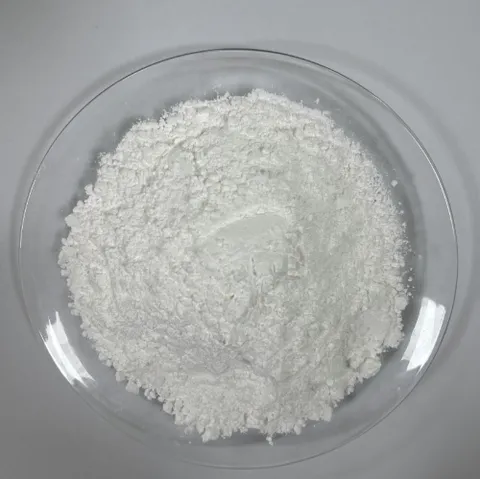
Anhydrous FeCl₃: Dark green to black crystals or crystalline powder. It is very hygroscopic and deliquescent, readily absorbing moisture from the air to form the hexahydrate.
-
FeCl₃·6H₂O (Hexahydrate): Yellow-orange to brownish solid crystals or lumps. This is the most common commercial form.
-
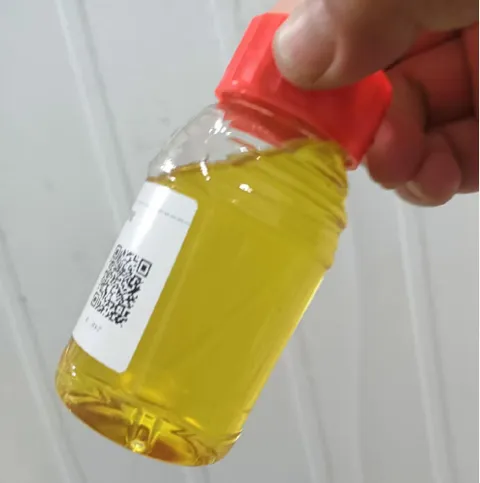
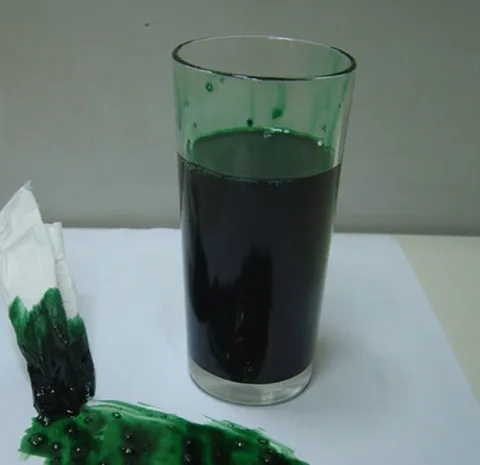
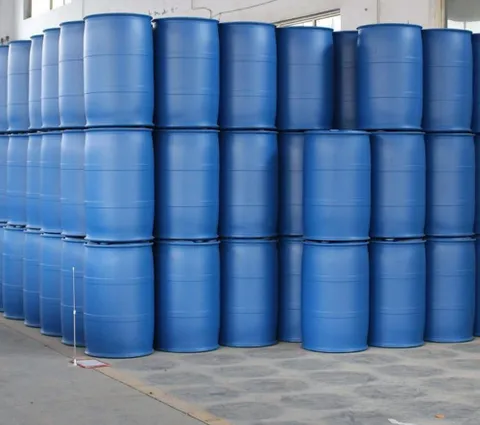
Solutions: Typically sold as aqueous solutions (e.g., 35-45% w/w FeCl₃), which are dark brown, viscous liquids.
-
1.2 Chemical Reactivity
-
Hydrolysis:
-
As mentioned, readily hydrolyzes in water to form acidic solutions and eventually precipitates ferric hydroxide (Fe(OH)₃) or hydrated iron oxides, especially upon dilution or increase in pH. This property is key to its use as a flocculant.
-
-
Lewis Acidity:
-
Anhydrous FeCl₃ is a moderately strong Lewis acid. It readily accepts electron pairs from Lewis bases, forming adducts.
-
Used as a catalyst in various organic reactions (e.g., Friedel-Crafts alkylation and acylation, chlorination of aromatics).
-
-
Redox Reactions:
-
Fe³⁺ is an oxidizing agent. It can be reduced to Fe²⁺ (ferrous iron).
Fe³⁺ + e⁻ → Fe²⁺(Standard reduction potential E⁰ = +0.77 V) -
Example: Oxidizes copper metal (used in etching PCBs):
2FeCl₃(aq) + Cu(s) → 2FeCl₂(aq) + CuCl₂(aq) -
Can be oxidized further under very strong oxidizing conditions, but Fe(III) is the common stable oxidation state in most environments.
-
-
Complexation:
-
Fe³⁺ forms various complexes with ligands such as chloride, thiocyanate (giving a blood-red color, used in qualitative tests), citrate, oxalate, etc.
-
1.3 Analytical Characterization
-
Qualitative Tests for Fe³⁺:
-
Addition of potassium thiocyanate (KSCN) solution gives a characteristic blood-red color due to the formation of
[Fe(SCN)(H₂O)₅]²⁺and related complexes. -
Addition of potassium hexacyanoferrate(II) (K₄[Fe(CN)₆]) solution gives a dark blue precipitate (Prussian blue).
-
Addition of alkali (e.g., NaOH) gives a reddish-brown precipitate of Fe(OH)₃.
-
-
Quantitative Analysis:
-
Iron content: Typically determined by redox titration (e.g., with potassium dichromate or potassium permanganate after reduction of Fe³⁺ to Fe²⁺), atomic absorption spectroscopy (AAS), or inductively coupled plasma optical emission spectrometry (ICP-OES).
-
Chloride content: Determined by argentometric titration (e.g., Volhard method) or ion chromatography.
-
Acidity/Basicity: Free acid or base content in solutions can be titrated.
-
-
Identification Methods:
-
UV-Vis Spectroscopy: Aqueous solutions show characteristic absorption bands.
-
Melting/Boiling point: For anhydrous and hydrated forms.
-
XRD: For crystalline forms to confirm structure and phase purity.
-
2.Production Technologies
2.1 Direct Chlorination of Iron
-
Reaction Principle:
-
Direct reaction of metallic iron (scrap iron, steel, or sponge iron) with dry chlorine gas (Cl₂) at elevated temperatures.
2Fe(s) + 3Cl₂(g) → 2FeCl₃(s)(or molten, depending on temperature)
-
-
Process Conditions:
-
Temperature: Typically 350-700°C.
-
Reactor type: Often a packed bed or shaft furnace where chlorine gas passes over the iron.
-
Exothermic reaction: Heat removal is important.
-
Product collection: Molten FeCl₃ can be tapped, or gaseous FeCl₃ can be condensed.
-
-
Raw Materials:
-
Iron: High-purity iron scrap or direct reduced iron is preferred to minimize impurities.
-
Chlorine: Dry chlorine gas, typically sourced from chlor-alkali plants.
-
-
Purity:
-
This method can produce high-purity anhydrous FeCl₃ if pure feedstocks are used.
-
2.2 Chlorination of Iron Ores(Less Common for direct FeCl₃)
-
Concept:
-
Iron-containing ores (e.g., hematite Fe₂O₃, magnetite Fe₃O₄) can be chlorinated, often in the presence of a reducing agent like carbon (carbochlorination).
Fe₂O₃(s) + 3Cl₂(g) + 3C(s) → 2FeCl₃(g or l) + 3CO(g)
-
-
Challenges:
-
Requires higher temperatures than direct chlorination of iron.
-
Separation from other chlorinated metal impurities present in the ore (e.g., AlCl₃, SiCl₄) can be complex and costly.
-
More relevant for extractive metallurgy of other metals where FeCl₃ might be an intermediate or by-product (e.g., some titanium pigment processes).
-
2.3 Oxidation of Ferrous Chloride (FeCl₂)
-
Reaction Principle:
-
Ferrous chloride (FeCl₂) solutions can be oxidized to ferric chloride (FeCl₃) using chlorine gas or other oxidizing agents.
2FeCl₂(aq) + Cl₂(g) → 2FeCl₃(aq)
-
-
Source of FeCl₂:
-
By-product from steel pickling operations (where steel is treated with HCl to remove surface oxides).
-
Dissolution of iron in hydrochloric acid.
-
-
Process:
-
Chlorine gas is bubbled through the FeCl₂ solution. This is a common method for producing FeCl₃ solutions.
-
-
Advantages:
-
Utilizes by-product FeCl₂; produces FeCl₃ in solution form directly suitable for water treatment.
-
2.4 By-product from Titanium Dioxide Production (Chloride Process)
-
Context:
-
In the chloride process for TiO₂ production, ilmenite (FeTiO₃) or rutile (TiO₂) ores are chlorinated at high temperatures. Iron in the ore (especially ilmenite) is also chlorinated to FeCl₃.
2FeTiO₃(s) + 7Cl₂(g) + 6C(s) → 2TiCl₄(g) + 2FeCl₃(g) + 6CO(g)(simplified)
-
-
Separation:
-
TiCl₄ is the primary product. FeCl₃ is condensed and separated.
-
-
Market Form:
-
This "co-product" FeCl₃ is often sold as a solution for water treatment. Its quality and impurity profile depend on the ore and process conditions.
-
-
Significance:
-
A major source of commercial FeCl₃, particularly in regions with significant TiO₂ production via the chloride route.
-
3.Applications
3.1 Water and Wastewater Treatment
Coagulant and Flocculant:
-
This is the largest application for ferric chloride.
-
Mechanism:
-
When added to water, FeCl₃ hydrolyzes to form insoluble ferric hydroxide (Fe(OH)₃) flocs. These flocs adsorb suspended solids, colloids, bacteria, and other pollutants. The Fe³⁺ ions also neutralize the charge on colloidal particles, causing them to destabilize and aggregate.
-
-
Applications:
-
Drinking water purification: Removal of turbidity, color, algae, and some heavy metals.
-
Wastewater treatment (municipal and industrial): Removal of suspended solids, phosphorus (by precipitation as ferric phosphate FePO₄), BOD/COD reduction, sludge dewatering.
-
-
Advantages:
-
Effective over a wide pH range (though optimal pH exists), forms dense flocs that settle well, good for color removal.
-
-
Disadvantages:
-
Increases chloride content in treated water, can lower pH (requiring adjustment), produces iron-containing sludge
-
3.2 Electronics and Metal Finishing
-
Etchant for Printed Circuit Boards (PCBs):
-
Reaction: Used to etch copper from PCBs in the subtractive manufacturing process.
2FeCl₃(aq) + Cu(s) → 2FeCl₂(aq) + CuCl₂(aq) -
Process: The PCB with a patterned resist is immersed in or sprayed with FeCl₃ solution. The exposed copper is dissolved, leaving the desired circuit pattern.
-
Regeneration: The spent etchant (containing FeCl₂ and CuCl₂) can be regenerated to some extent or treated for metal recovery.
-
Competition: Faces competition from other etchants like cupric chloride (CuCl₂) and alkaline etchants.
-
-
Metal Surface Treatment:
-
Used in engraving, photoengraving, and preparing metal surfaces for painting or plating.
-
Can be used for decorative etching on steel and other metals.
-
3.3 Catalyst in Organic Synthesis
-
Lewis Acid Catalyst:
-
Anhydrous FeCl₃ is used as a catalyst in various organic reactions, including:
-
Friedel-Crafts alkylation and acylation of aromatic compounds.
-
Chlorination of aromatic compounds (e.g., production of chlorobenzene).
-
Polymerization reactions.
-
Isomerization and cracking reactions.
-
-
-
Advantages:
-
Relatively inexpensive, effective, and readily available.
-
-
Limitations:
-
Moisture sensitive (anhydrous form), can be corrosive, waste disposal of iron residues.
-
3.4 Other Applications
-
Pigment Production:
-
Precursor for iron oxide pigments (e.g., brown, red, yellow, black). Fe(OH)₃ formed from FeCl₃ hydrolysis can be calcined to produce various iron oxide pigments.
-
-
Pharmaceuticals and Veterinary Medicine:
-
Astringent: Used topically as an astringent and styptic (to stop bleeding from minor cuts).
-
Feed additive: Source of iron in animal feeds, though other iron sources like ferrous sulfate are more common.
-
Treatment of iron deficiency anemia (less common now due to side effects compared to other iron preparations).
-
-
Laboratory Reagent:
-
Used in various analytical tests (e.g., detection of phenols, thiocyanates).
-
As an oxidizing agent in specific reactions.
-
-
Odor Control:
-
Can react with hydrogen sulfide (H₂S) to reduce odors in wastewater treatment plants or industrial settings.
2FeCl₃(aq) + 3H₂S(g) → Fe₂S₃(s) + 6HCl(aq)(or forms iron(II) sulfide if H₂S is in excess)
-
4.Market Analysis
4.1 Global Production and Consumption
-
Production Scale:
-
Significant global production, driven primarily by its use in water treatment. Estimates vary, but it's in the millions of tons per year (often reported as solution basis).
-
-
Major Producing Regions:
-
Regions with large chemical industries, steel industries (for by-product FeCl₂ feedstock), and TiO₂ production (chloride route). North America, Europe, and East Asia (especially China) are major producers and consumers.
-
-
Consumption Pattern:
-
Dominant Sector: Water and wastewater treatment accounts for the vast majority of consumption (>70-80%).
-
Other Uses: Electronics (etching), chemical synthesis, pigments, etc., make up the rest.
-
Growth Drivers: Increasing global emphasis on water quality, stricter environmental regulations for wastewater discharge, industrial growth.
-
4.2 Price Dynamics and Economics
-
Price Influencers:
-
Raw material costs: Price of iron (scrap), chlorine, and hydrochloric acid.
-
Energy costs: Impact production, especially for anhydrous FeCl₃.
-
Co-product economics: If sourced as a by-product from steel pickling or TiO₂ production, the economics of the main product (steel, TiO₂) can influence FeCl₃ availability and price.
-
Supply/Demand Balance: Regional supply and demand significantly affect prices.
-
Transportation costs: Solutions are heavy due to water content, making transportation a significant cost factor. Local production is often favored.
-
Grade/Purity: Anhydrous and high-purity grades command higher prices than standard solutions for water treatment.
-
-
Manufacturing Cost Structure:
-
Dependent on the production route.
-
Direct chlorination: Iron and chlorine costs are major components.
-
From FeCl₂: Cost of FeCl₂ (or HCl and iron) and chlorine.
-
TiO₂ by-product: Cost allocation can be complex.
-
-
Competitive Landscape:
-
Competes with other coagulants in water treatment, such as aluminum sulfate (alum), polyaluminum chloride (PAC), ferric sulfate, and organic polymers. Choice depends on water quality, cost, performance, and local regulations.
-
In electronics etching, alternatives exist.
-
4.3 Future Trends and Develpoments
-
Water Treatment Sector:
-
Continued growth expected due to increasing water scarcity and stricter regulations.
-
Development of higher-performance or specialized ferric chloride products (e.g., pre-polymerized forms, blends).
-
Focus on sludge reduction and management.
-
-
Raw Material Sourcing:
-
Increased utilization of by-product streams (e.g., spent pickle liquor) for sustainable production.
-
Fluctuations in chlorine and iron/steel scrap markets will continue to impact costs.
-
-
Technological Advancements:
-
More efficient production processes.
-
Potential for improved regeneration of spent etchants in the electronics industry.
-
-
Environmental Considerations:
-
Management of chloride levels in discharged water.
-
Minimizing iron sludge from water treatment.
-
Competition from "greener" coagulants or treatment technologies.
-
5.Upstream and Downstream Linkages
5.1 Key Raw Material Inpust
-
Iron Source:
-
Scrap iron/steel: For direct chlorination or dissolution in HCl to make FeCl₂. Quality of scrap affects purity of FeCl₃.
-
Iron ores (e.g., ilmenite for TiO₂ process): Source of iron for co-product FeCl₃.
-
Sponge iron/Direct Reduced Iron (DRI): High-purity iron source.
-
-
Chlorine Source (Cl₂):
-
Almost exclusively from the chlor-alkali process (electrolysis of brine).
-
Availability and price are tied to the chlor-alkali market balance (which is also driven by caustic soda demand).
-
Required for direct chlorination of iron and for oxidation of FeCl₂ to FeCl₃.
-
-
Hydrochloric Acid (HCl):
-
Used to dissolve iron to produce FeCl₂ (which is then oxidized to FeCl₃).
-
Sourced as a by-product from organic chlorination processes or produced directly.
-
Steel pickling lines using HCl generate large quantities of FeCl₂ solution (spent pickle liquor).
-
5.2 Relationship to Other Chemical Industries
-
Chlor-Alkali Industry:
-
Essential supplier of chlorine. FeCl₃ production is a significant downstream market for chlorine.
-
HCl, if used, can also originate from chlorine (via direct synthesis with H₂ or as by-product).
-
-
Steel Industry:
-
Major source of scrap iron.
-
Steel pickling lines (using HCl) are a key source of ferrous chloride (FeCl₂) solutions, which can be converted to FeCl₃. This provides a route for valorizing a waste stream.
-
-
Titanium Dioxide (TiO₂) Industry:
-
The chloride process for TiO₂ production generates significant quantities of FeCl₃ as a co-product, particularly when using ilmenite ore. This links FeCl₃ supply to TiO₂ market dynamics.
-
-
Electronics Industry:
-
Consumer of FeCl₃ as an etchant. Demand is linked to PCB manufacturing volumes.
-
5.3 Downstream Products and Value Chain
-
Direct Use (Primary Application):
-
Water treatment solutions: This is the largest end-use, with FeCl₃ typically sold as a 35-45% aqueous solution.
-
Etching solutions for electronics.
-
-
Intermediate for Other Products:
-
Iron Oxide Pigments: FeCl₃ solutions can be neutralized (e.g., with alkali) to precipitate ferric hydroxide, which is then calcined to produce various grades of iron oxide pigments (Fe₂O₃, Fe₃O₄).
-
Other Iron Compounds: Can be a starting material for the synthesis of other specialized iron salts or complexes, though this is a smaller volume application.
-
-
Formulated Products:
-
Specific blends for water treatment (e.g., with polymers).
-
Catalytic preparations for organic synthesis.
-
Pharmaceutical/veterinary formulations (though often highly purified).
-
5.4 Circular Economy Aspects
-
Spent Pickle Liquor (SPL) Valorization:
-
Conversion of FeCl₂ from steel pickling (an industrial waste stream) into valuable FeCl₃ for water treatment is a prime example of industrial symbiosis and circular economy.
-
-
Etchant Regeneration:
-
Efforts to regenerate spent FeCl₃ etchant from PCB manufacturing (e.g., by re-oxidizing FeCl₂ and recovering copper) aim to reduce waste and recover valuable materials.
-
-
Sludge Management:
-
Iron-containing sludge from water treatment using FeCl₃ is a challenge. Research focuses on reducing sludge volume, recovering iron, or finding beneficial uses for the sludge (e.g., in construction materials, pigment production after processing).
-