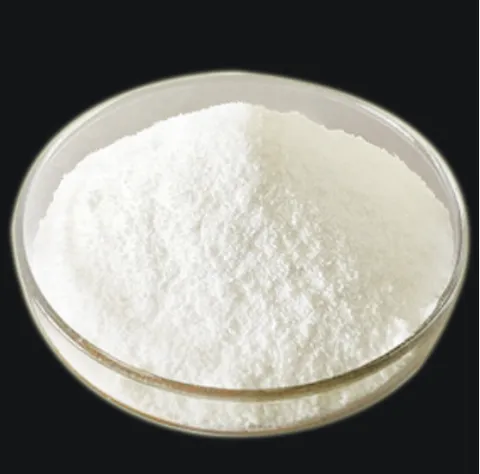
Ferrous Sulphate
3641
2025年03月31日 00:00:00
指南
亮点速览
本文系统阐述了硫酸亚铁(FeSO₄·nH₂O)的基础物化性质、水处理作用机制、多领域应用实践及上下游产业关联。重点解析其不同水合形态的结构特征、易氧化性、酸性水解行为及热稳定性;深入阐明其在水处理中通过电荷中和、磷酸盐沉淀、硫化氢去除、六价铬还原、铁氧化物生物滤膜形成等多重机制实现净化功能,并量化pH、投加量、ORP、温度等关键影响因子;全面覆盖市政供水/污水、工业废水(电镀、印染、造纸等)、环境修复(地下水、湖泊、土壤、酸性矿山排水)等应用场景及工艺参数;同时梳理其源自钢铁酸洗、钛白副产等上游供应链,以及在水处理(40–50%)、农业(20–25%)、饲料(10–15%)等下游领域的消费格局,并强调资源化利用与循环经济路径。

1.Basic Properties and Characteristics
1.1 Basic Information
Chemical Name: Ferrous Sulfate
Chemical Formula: FeSO₄·nH₂O (n=1, 4, 5, 7)
Major Hydrate Forms:
-
Ferrous Sulfate Heptahydrate (FeSO₄·7H₂O) - Most common commerical form
-
Ferrous Sulfate Monohydate (FeSO₄·H₂O) - Dried product
-
Ferrous Sulfate Tetrahydrate (FeSO₄·4H₂O) - Specific industrial product
Molecular Weight:
-
Heptahydrate: 278.01g/mol
-
Monohydrate: 169.94 g/mol
-
Anhydrous: 151.91 g/mol
Aliases: Green Vitriol, Copperas, Iron(II) Sulfate
1.2 Physicochemical Properties
-
Physical State and Appearance
-
Heptahydrate:Blue-green to light green crystals or granules
-
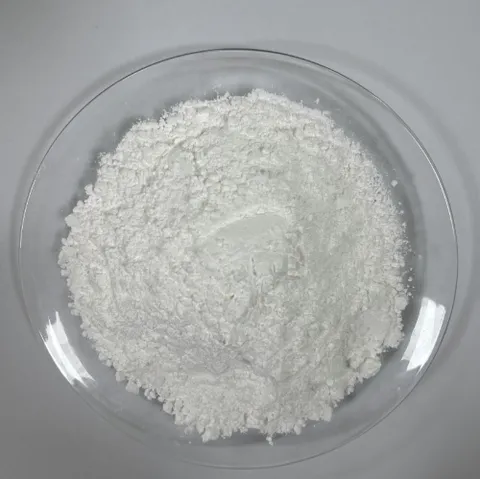
Monohydrate: Gray-white to pale yellow powder
-
Slowly oxidizes when exposed to air, the surface turns yellowish-brown
-
-
Solubility
-
Water solubility(heptahydrate, 20°C): 29.51g/100 mL
-
Solubility variation with temperature: 15.65g/100 mL at 5°C, 48.69g/100 mL at 50°C
-
Slightly soluble in ethanol
-
Solubility increases in acidic solutions
-
-
pH Value
-
5% aqueous solution pH approximately 2.0-4.0
-
Acidic characteristics due to hydrolysis forming sulfuric acid
-
-
Density
-
Heptahydrate: 1.89g/cm³
-
Monohydrate: 3.0g/cm³
-
Bulk Density (commercial powder): 900-1200 kg/cm³
-
-
Thermal Stability
-
Heptahydrate begins to lose crystallization water at 60°C
-
Converts to monohydrate at 100-300°C
-
Decomposes at >300°C to form iron oxide and sulfur oxides
-
Thermal decomposition reaction:2FeSO₄ → Fe₂O₃ + SO₂ + SO₃
-
-
Oxidation Properties
-
Easily oxidized in air, Fe²⁺ converts to Fe³⁺
-
Oxidation reaction: 4FeSO₄ + O₂ + 2H₂O → 4Fe(OH)SO₄
-
Oxidation rate affected by pH, temperature, and light exposure
-
Slower oxidation rate under acidic conditions
-
-
Electronic Structure
-
Fe²⁺ ion contains six 3d electrons
-
Crystal field splitting causes absorption in the visible region, resulting in green color
-
After oxidation to Fe³⁺, color changes to yellowish-brown or reddish-brown
-
-
Standard Electrode Potential
-
Fe²⁺/Fe: -0.44V
-
Fe³⁺/Fe²⁺: +0.77V
-
2.Action Mechanisms and Treatment Effects
2.1 Water Treatment Agent Mechanisms
2.1a Coagulation Mechanism
-
Charge neutralization: Fe²⁺ hydrolyzes to form positively charged hydrated species that neutralize negative colloid charges.
-
Hydrolysis reaction: Fe²⁺ + 2H₂O → Fe(OH)₂ + 2H⁺
-
Double layer compression, reducing repulsion between particles
-
Adsorption-charge neutralization-bridging process
2.1b Phosphate Removal
-
Forms insoluble iron phosphate precipitate
-
Reaction equation: 3Fe²⁺ + 2PO₄³⁻ → Fe₃(PO₄)₂↓
-
Optimal pH range: 5.0-7.0
-
Theoretically 1.8mg Fe²⁺ can remove 1 mg PO₄-P
2.1c Hydrogen Sulfide Control
-
Reacts with H₂S to form insoluble iron sulfide
-
Reaction equation: Fe²⁺ + H₂S → FeS↓ + 2H⁺
-
1.0 mg/L Fe²⁺ can theoretically remove 0.58 mg/L H₂S
-
More effective in anaerobic environments
2.1d Redox Reaction
-
Acts as a reducing agent for treating chromate and other contaminants
-
Cr⁶⁺ reduction reaction: 3Fe²⁺ + Cr₂O₇²⁻ + 14H⁺ → 3Fe³⁺ + 2Cr³⁺ + 7H₂O
-
Can be used synergistically with oxidants (such as Cl₂, O₃)
-
Stronger reducing ability under acidic conditions
2.1e Iron Oxide Biofiltration
-
Fe²⁺ oxidizes to Fe³⁺ forming hydroxide oxides
-
Generated flocs form biofilm on filter media surface
-
Enhances adsorption capacity for arsenic, manganese, and other heavy metals
-
Improves biological filtration system treatment efficiency
2.1f Synergistic Enhancement Effects
-
Used with polymer flocculants to enhance flocculation
-
Combined with aluminum coagulants to broaden effective pH range
-
Dual role in flocculation-oxidation combined processes
-
Sulfate ions can enhance removal efficiency of certain pollutants
2.2 Key Factors Affecting Treatment Efficiency
-
pH Influence
-
Optimal coagulation pH range: 4.5-6.0
-
Optimal pH for phosphate removal: 5.0-7.0
-
At pH > 8.0, Fe²⁺ rapidly oxidizes to Fe³⁺
-
At pH
-
Dosage Factors
-
General coagulation dosage: 10-150mg/L (as FeSO₄)
-
Iron-phosphorus ratio for phosphate removal: 1.5-2.5:1 (molar ratio)
-
Hydrogen sulfide control dosage: 2-3 times theoretical calculation
-
Overdosing increases residual iron and sulfate concentrations in water
-
-
Oxidation-Reduction Potential (ORP)
-
ORP range for Fe²⁺ stability:
-
ORP threshold for oxidation to Fe³⁺: approximately +200 mV
-
Controlling ORP affects treatment efficacy and sludge characteristics
-
ORP in anaerobic environments typically
-
Temperature Effects
-
Reaction rate approximately doubles with 10°C temperature increase
-
Coagulation efficiency significantly decreases at low temperatures (
-
Higher temperatures promote Fe² oxidation, effecting dosage form selection
-
Seasonal temperature variations require dosage adjustments.
-
-
-
Alkalinity and Hardness
-
Each 1 mg/L Fe²⁺ consumes approximately 0.9 mg/L alkalinity (as CaCO₃)
-
Low alkalinity water bodies (
-
Hardness affects coagulation mechanism and floc characteristics
-
Ca²⁺ can form co-precipitation with phosphate to enhance removal efficiency.
-
Mixing and Contact Time
-
Rapid mixing intensity: G value approximately 600-1000 s⁻¹, duration 10-30 seconds
-
Slow mixing intensity: G value approximately 30-80 s⁻¹, duration 10-30 minutes
-
Sedimentation time: typically requires 30-60 minutes
-
Insufficient mixing leads to local overdosing and incomplete coagulation
-
3.Application Fields and Usage Methods
3.1 Municipal Water Treatment Applications
3.1a Drinking Water Treatment
-
Uses: turbidity removal, organic matter removal, color control
-
Typical dosage: 10-50mg/L (as FeSO₄·7H₂O)
-
Often used in combination with ferric chloride, PAC and other coagulants
-
Advantages: low cost, wide pH treatment range, strong adaptability to raw water quality fluctuation
3.1b Wastewater Treatment
-
Uses: Suspended Solids (SS) removal, Chemical Oxygen Demand(COD) reduction, phosphate precipitation
-
Typical Dosage: 50-150mg/L (secondary treatment), 100-250mg/L (tertiary treatment for phosphorus removal)
-
Dosing Points: before primary sedimentation, before secondary sedimentation, or tertiary treatment unit.
-
Can reduce effluent total phosphorus concentration to
3.1c Sludge Treatment
-
Uses: Sludge conditioning, improving dewatering performance
-
Dosage: 3-8% of dry sludge weight (as FeSO₄)
-
Better results when used with lime and polymers
-
Can reduce sludge moisture content by 5-15 percentage points
3.1d Wastewater Collection Systems
-
Uses: Hydrogen sulfide control, corrosion inhibition
-
Dosage: calculated at Fe:S=2-3:1 (molar ratio)
-
Dosing Points: pressure pipe terminus, pumping stations, gravity networks
-
Can reduce H₂S concentration by over 90%
3.2 Industrial Water Treatment Applications
-
Electroplating Wastement Treatment
-
Uses: Heavy metal precipitation, chromate reduction
-
Treatment Mechanism: 3Fe²⁺ + Cr₂O₇²⁻ + 14H⁺ → 3Fe³⁺ + 2Cr³⁺ + 7H₂O
-
Dosage: 1.5-2.5 times theoretical amount (depending on wastewater pH and ORP)
-
Can reduce hexavalent chromium concentration to
-
-
Mineral Processing Wastewater Treatment
-
Uses: suspended solids sedimentation, heavy metal co-precipitation
-
Dosage: 50-200mg/L
-
Used synergistically with lime and polymers
-
Effectively removes heavy metals such as As, Cd, Cu
-
-
Textile Dyeing Wastewater
-
Uses: decolorization, COD reduction
-
Typically used in conjunction with oxidants (H₂O₂) for Fenton oxidation
-
Dosing Ratio: Fe²⁺:H₂O₂ = 1:5-15 (mass ratio)
-
Can reduce color by 80-95% and COD by 60-80%
-
-
Paper Industry
-
Uses: water circulation system treatment, white water clarificaiton
-
Dosage: 20-80mg/L
-
Reduces suspended solids and colloidal substances
-
Reduces deposit formation in paper systems
-
-
Cooling Water Systems
-
Uses: sulfate-reducing bacteria control, scale prevention
-
Dosage: 5-20 mg/L (continuous dosing) or 50-100 mg/L (intermittent dosing)
-
Inhibits microbial activity through Fe/S precipitation mechanism
-
Reduces system corrosion and biological slime formation
-
3.3 Environmental Remediation Applications
-
Contaminated Groundwater Remediation
-
Uses: in situ chemical reduction (ISCR)
-
Target Contaminants: Chlorinated organics, nitrates, arsenic, chromium
-
Application Methods: injection wells, permeable reactive barriers, direct mixing
-
Reaction Mechanism: Direct reduction by Fe²⁺ or reduction via generated zero-valent iron
-
-
Lake Eutrophication Control
-
Uses: phosphate precipitation, blue-green algae control
-
Dosage: 5-20 g/m² water surface (depending on lake depth and phosphorus content)
-
Application methods: liquid spraying, solid broadcasting
-
Can reduce internal phosphorus release by 70-90%
-
-
Soil Heavy Metal Stabilization
-
Uses: heavy metal stabilization treatment
-
Dosage: 0.5-2% of soil weight
-
Reduces heavy metal bioavailability through adsorption, precipitation, co-precipitation
-
Can reduce leaching rates of Pb, Cd, As and other heavy metals by 80%-95%
-
-
Acid Mine Drainage Treatment
-
Uses: acidity neutralization, heavy metal removal
-
Typically used in conjunction with alkaline substances such as lime
-
Forms iron hydroxide flocs that adsorb heavy metals
-
Can reduce effluent Cu, Zn, Pb and other metal concentrations by over 95%
-
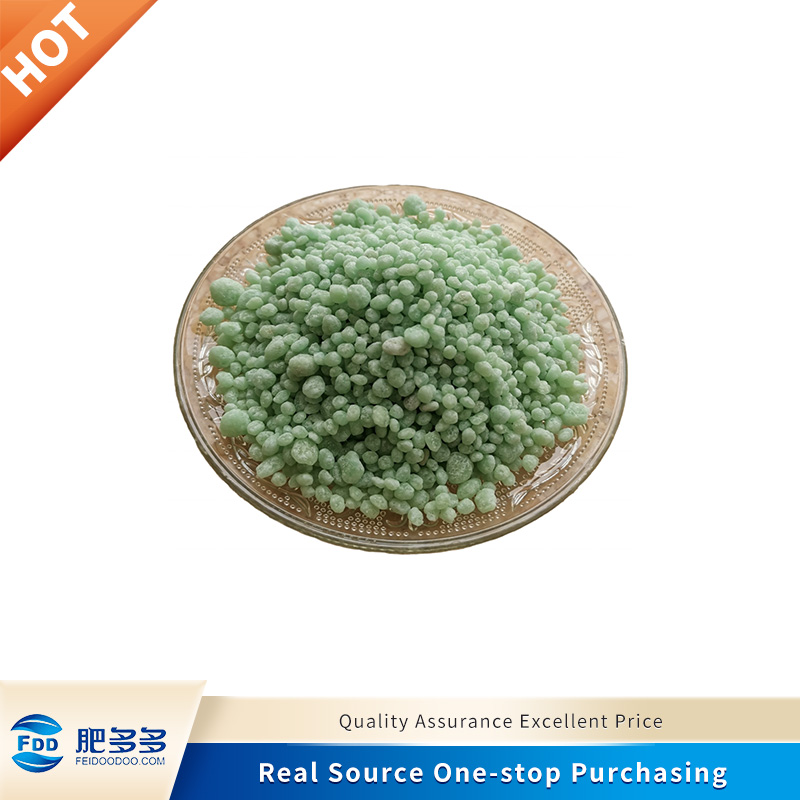
硫酸亚铁
可议价
/MT
最小起订量: 0MT
Product Model: FeSO5≥96 88
供应商简介
Ningbo Feidoodoo E-Commerce Co., Ltd
成立时间: 2019-10-10
公司规模: 500
获取最优价格
4.Upstrean and Downstream Industry Relationships
4.1 Upstream Raw Material Industry Chain
4.1a Main Raw Material Sources
-
Metallurgical industry by-products:
-
Steel plant pickling waste liquor, containing 15-25% Fe²⁺
-
-
Titanium dioxide production by-products:
-
Sulfuric acid process generating Fe²⁺- containing sulfuric acid solution
-
-
Chemical synthesis:
-
Iron scraps reacting with sulfuric acid, Fe + H₂SO₄ → FeSO₄ + H₂
-
-
Pyrite roasting
-
4FeS₂ + 11O₂ → 2Fe₂O₃ + 8SO₂, then Fe reduced to Fe²⁺
-
4.1b Raw Material Quality and Product Quality Correlation
-
Heavy metal content in metallurgical by-products directly affects product purity
-
Synthetic products have higher purity but higher cost
-
Titanium content in titanium dioxide by-products affects product color
-
Raw material source affects crystalline ferrous sulfate color and solubility
4.1c Market PRice Correlation
-
Steel industry output directly affects ferrous sulfate supply and price
-
Sulfuric acid price fluctuations affect synthesis production costs
-
Titanium dioxide production scale affects by-product ferrous sulfate output
-
Environmental policies on by-product recycling requirements affect supply structure
4.1d Technical Corrrelation
-
Steel pickling process improvements affect waste acid characteristics
-
Titanium dioxide production technology development(chloride process replacing sulfate process) reduces by-product ferrous sulfate
-
Environmentally-friendly acid regeneration technology reduces by-product ferrous sulfate output
-
Crystal purification technology improves commercial grade ferrous sulfate quality
4.2 Downstream Application Industry Chain
4.2a Water Treatment Industry
-
Accounts for 40-50% of total ferrous sulfate consumption
-
Improved water treatment standards increase demand
-
Development of flocculant combination application technology promotes consumption growth
-
Substitution and complementary relationships exist with other iron salts (ferric chloride, ferric sulfate)
4.2b Agriculture and Soil Improvement
-
Accounts for 20-25% of total consumpton
-
Increased iron fertilizer application increases ferrous sulfate demand
-
Development of soil heavy metal fixation remediation technology promotes usage growth
-
Ferrous sulfate allowed as soil conditioner in organic agriculture
4.2c Feed Additives
-
Accounts for 10-15% of total consumption
-
Used as animal iron fortifier, especially in pig feed
-
Feed safety standards affect product quality requirements
-
Competes with other iron sources (such as ferrous fumarate, ferrous glycine chelate)
4.2d Other Industrial Applications
-
Cement water reducer raw material, accounting for about 5% of consumption
-
Dye industry reducing agent, accounting for about 3-5% of consumption
-
Electronic circuit board etching component, accounting for about 2-3% of consumption
-
Ferrite magnetic material precursor, accounting for about 2% of consumption
4.2e Environmental industry Chain Relationships
-
Ferrous sulfate dosing system equipment manufacturing
-
Water treatment agent formulation development and preparation
-
Resource utilization of post-treatment sludge
-
Environmental monitoring and analysis services
4.3 Circular Economy and By-product Utilization
4.3a Treatment Process by-products
-
Iron-containing sludge
-
Can be used for building materials, pigments, or soil improvement
-
-
Fe₂O₃ produced by oxidation treatment
-
Can be used as pigments, magnetic raw material
-
-
Iron phosphate precipitates
-
Can be recovered and used as lithium battery material precursors
-
-
Iron sulfide Precipitates
-
Can be used to prepare hydrogen sulfide adsorbents
-
4.3b Industrial Symbiosis Relationships
-
Steel-water treatment-building materials circular chain
-
Titanium dioxide-water treatment-magnetic materials circular chain
-
Complementary relationship between sulfuric acid industry and ferrous sulfate industry
-
Water treatment-agriculture-soil remediation technology relationships
4.3c Resource Utilization Technologies
-
-
-
-
-
-
Technology for preparing iron oxide red pigment from iron-containing sludge, utilization rate up to 90%
-
Technology for producing sulfuric acid and iron oxide by thermal decomposition of waste ferrous sulfate
-
Phosphorus-iron mineralization treatment and phosphorus recovery technology
-
Iron-carbon micro-electrolysis material preparation technology
-
-
-
-
-