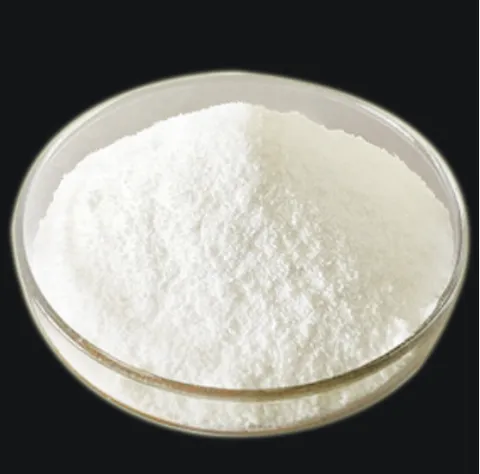
potassium sulfate
3366
2025年06月09日 11:55:24
指南
亮点速览
本文系统介绍了硫酸钾(K₂SO₄)的理化性质、生产工艺、应用领域及市场格局。化学上,其为中性、非吸湿性离子盐,含约50–52% K₂O和17–18%硫,无氯、低盐指数(46),适于氯敏感作物;物理上呈白色结晶,高熔点、易溶于水、难溶于有机溶剂。生产以曼海姆法为主,亦有矿物转化、盐湖卤水蒸发等路径,各具能耗、环保与成本特点。农业上核心价值在于同时供给钾与硫,显著提升烟草、果蔬、油料等高品质作物的产量、品质与抗逆性;工业上用于玻璃、石膏板、钾盐合成等。市场受氯敏感种植扩张与硫缺乏认知推动,但受限于价格高、产能小及原料依赖。全文兼顾科学性与实用性,为农化研发、肥料选型及产业决策提供全面依据。
1.Physical and Chemical Properties
1.1 Chemical Properties
-
Chemical Name: Potassium Sulfate
-
Alternative Names: Sulfate of Potash (SOP), arcanite (mineral form), potash of sulfur.
-
Chemical Formula: K₂SO₄
-
CAS Number: 7778-80-5
-
Molar Mass: Approximately 174.26 g/mol.
-
Elemental Composition (by weight):
-
Potassium (K): ~44.87%
-
Sulfur (S): ~18.39%
-
Oxygen (O): ~36.74%
-
-
Nutrient Content (Fertilizer Grade):
-
K₂O (potash equivalent): Typically 50-52%
-
S (elemental sulfur): Typically 17-18%
-
-
Ionic Nature: An ionic salt composed of two potassium cations (K⁺) and one sulfate anion (SO₄²⁻).
-
Stability:
-
Thermally stable under normal conditions; melts at high temperatures without significant decomposition.
-
Non-flammable, non-combustible, and non-explosive.
-
-
Reactivity:
-
Reacts with concentrated sulfuric acid at high temperatures to form potassium bisulfate (KHSO₄).
-
K₂SO₄ (s) + H₂SO₄ (conc.) → 2 KHSO₄ (s)
-
-
Undergoes metathesis (double decomposition) reactions in solution if an insoluble product can form (e.g., with BaCl₂ to precipitate BaSO₄).
-
K₂SO₄ (aq) + BaCl₂ (aq) → BaSO₄ (s)↓ + 2 KCl (aq)
-
-
The sulfate ion is stable; K₂SO₄ is not typically an oxidizing or reducing agent.
-
-
pH and Acidity/Basicity:
-
Derived from a strong acid (H₂SO₄) and a strong base (KOH).
-
Aqueous solutions are neutral (pH ≈ 7.0).
-
Agronomically, it has a very low physiological acidity and does not significantly alter soil pH.
-
-
Hygroscopicity:
-
Non-hygroscopic, meaning it does not readily absorb atmospheric moisture, which aids in storage and handling.
-
1.2 Physical Properties
-
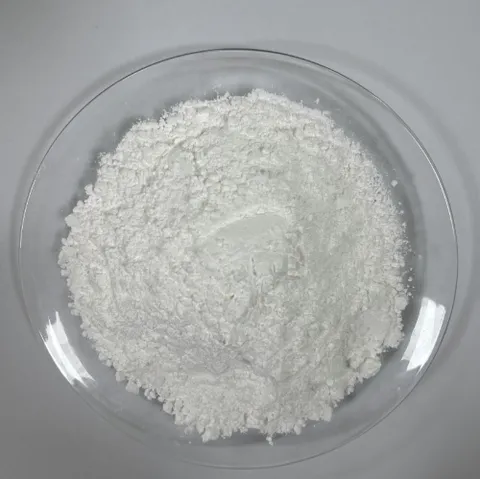
Appearance: White, crystalline solid. Available as fine crystals, powder, or in granular/prilled form for agricultural use.
-
Odor: Odorless.
-
Taste: Distinct, sharp, salty, and slightly bitter.
-
Crystal Structure:
-
Orthorhombic (β-K₂SO₄) at room temperature.
-
Transitions to hexagonal (α-K₂SO₄) above ~583°C.
-
Mineral form: Arcanite.
-
-
Density: Approximately 2.66 g/cm³ (at 20°C).
-
Melting Point: Approximately 1069°C (1956°F).
-
Boiling Point: Approximately 1689°C (3072°F), may decompose before this.
-
Solubility:
-
Water: Readily soluble; solubility increases with temperature (e.g., ~11.11 g/100 mL at 20°C; ~24.1 g/100 mL at 100°C).
-
Other Solvents: Practically insoluble in ethanol, acetone, carbon disulfide, and concentrated alkali solutions.
-
-
Salt Index: Relatively low (around 46) compared to other potassium fertilizers like KCl (around 116). This reduces the risk of osmotic stress or "fertilizer burn" to plants.
-
Hardness (Arcanite): Mohs hardness of about 3.
2.Production Technologies
Potassium sulfate is produced via several methods, as natural arcanite deposits are rare.
2.1 Mannheim Process
-
Description: The most common method. Reaction of potassium chloride (KCl) with concentrated sulfuric acid (H₂SO₄) at high temperatures (~600-800°C) in a Mannheim furnace.
-
Raw Materials: KCl, H₂SO₄.
-
Chemical Reactions:
-
KCl (s) + H₂SO₄ (l) → KHSO₄ (s) + HCl (g) (Lower temperature, exothermic)
-
KHSO₄ (s) + KCl (s) → K₂SO₄ (s) + HCl (g) (Higher temperature, endothermic)
-
-
Process: Reactants fed into a muffle furnace. Hydrogen chloride (HCl) gas is a significant byproduct, which must be captured and utilized (e.g., for hydrochloric acid production) or neutralized.
-
Advantages: Can produce high-purity SOP.
-
Disadvantages: Energy-intensive, corrosive HCl byproduct, economics depend on HCl value.
2.2 Reaction of KCL with Other sulfate Salts/Minerals
-
Description: Reacting KCl with sulfate-containing brines or minerals like langbeinite or kainite, often relying on solubility differences.
-
Examples:
-
Using Langbeinite (K₂SO₄·2MgSO₄): Mined langbeinite is reacted with KCl solution.
-
K₂SO₄·2MgSO₄ (s) + 4KCl (aq) → 3K₂SO₄ (s)↓ + 2MgCl₂ (aq)
-
-
Using Sodium Sulfate (Na₂SO₄): Reaction of KCl with Na₂SO₄, where K₂SO₄ precipitates due to lower solubility.
-
2KCl (aq) + Na₂SO₄ (aq) → K₂SO₄ (s)↓ + 2NaCl (aq)
-
-
-
Advantages: Utilizes natural minerals or industrial byproducts, potentially less energy-intensive.
-
Disadvantages: Product may require purification, complex multi-stage processes.
2.3 From Brines Containing Potassium and Sulfate Ions
-
Description: Extraction from natural brines (e.g., Great Salt Lake, Lop Nur) rich in K⁺ and SO₄²⁻ ions.
-
Process: Solar evaporation in a series of ponds. Different salts precipitate at different stages. K₂SO₄ can be harvested directly or from intermediate salts like schoenite.
-
Advantages: Uses solar energy, cost-effective in suitable climates.
-
Disadvantages: Climate-dependent, large land area required, variable brine composition.
2.4 Other Minor Processes
-
Reaction with Sulfur Dioxide and Oxygen: A variant of the Hargreaves process, reacting KCl with SO₂, O₂, and H₂O.
-
Ion Exchange: Used for smaller-scale or high-purity applications, generally more expensive.
3.Applications
3.1 Agriculture-Fertilizer Use
-
Dual Nutrient Source:
-
Potassium (K ~50-52% K₂O): Essential for enzyme activation, photosynthesis, water regulation, nutrient translocation, cell wall strength, fruit development, and quality.
-
Sulfur (S ~17-18%): Crucial for amino acid and protein synthesis, enzyme activation, chlorophyll formation, and oil synthesis.
-
-
Key Advantages for Specific Crops and Conditions:
-
Chloride-Sensitive Crops: Indispensable for crops intolerant to chloride, such as tobacco, many fruits (berries, citrus, grapes), vegetables (potatoes, tomatoes, onions, lettuce), tree nuts, tea, and ornamentals. Prevents chloride toxicity symptoms (leaf burn, reduced yield/quality).
-
Saline or Sodic Soils: Low salt index makes it safer, minimizing contribution to soil salinity.
-
Irrigation with Saline Water: Avoids adding extra chloride to the soil system.
-
Crops with High Sulfur Demand: Ideal for canola, alfalfa, corn, brassicas, onions.
-
Improving Crop Quality: Enhances taste, color, firmness, sugar content, starch (potatoes), oil content (oilseeds), and shelf life. Critical for tobacco burn quality.
-
-
Application Methods:
-
Broadcasting, banding, fertigation (soluble grades), and limited foliar application.
-
-
Low Salt Index:
-
Minimizes risk of root burn compared to KCl.
-
3.2 Industrial and Technical Applications
-
Production of Other Potassium Salts:
-
Used to make potassium alum (water purification), potassium persulfate (oxidizer).
-
-
Glass Manufacturing:
-
Small amounts as a fining agent to remove gas bubbles and improve clarity.
-
-
Gypsum Board (Drywall) Production:
-
Acts as an accelerator for gypsum setting.
-
-
Cement Additive:
-
Minor use to influence setting time or manage alkali-silica reactions.
-
-
Explosives and Pyrotechnics:
-
Limited use as an oxidizer or for violet flame color.
-
-
Laboratory Reagent:
-
Standard chemical in analytical chemistry.
-
-
Animal Feed:
-
Occasional use as a K and S source.
-
4.Market Analysis
4.1 Key Market Drivers
-
Demand for Chloride-Sensitive Crops: Primary driver.
-
Sulfur Deficiency in Soils: Growing recognition of S as a limiting nutrient.
-
Premium Crop Quality and Yield Focus: Farmers invest in SOP for better produce.
-
Expansion of Fertigation and Controlled Agriculture: Suitability of soluble SOP.
-
Agricultural Policies and Environmental Concerns: Favoring balanced, low-chloride fertilization.
4.2 Key Market Restraints/Challenges
-
Price Premium: Significantly more expensive than MOP, limiting use to high-value crops.
-
Limited Production Capacity: Smaller global capacity compared to MOP.
-
Raw Material Availability and Cost:
-
Dependence on KCl, H₂SO₄, or specific mineral/brine deposits. Mannheim economics tied to HCl byproduct value.
-
-
Competition:
-
From MOP (cost), potassium nitrate (chloride-free N+K), and MOP+sulfur blends.
-
-
Logistics Costs:
-
Transportation adds to final price.
-
5.Upstream and Downstream Linkages
5.1 Upstream Linkages(Inputs for production)
-
Raw Materials:
-
Potassium Chloride (KCl/MOP): Feedstock for Mannheim and some mineral processes. Sourced from MOP mining.
-
Sulfuric Acid (H₂SO₄): For Mannheim process. From elemental sulfur or smelter byproduct.
-
Natural Sulfate Minerals: Langbeinite, kainite, schoenite from specific deposits.
-
Sulfate Brines: From salt lakes, processed via solar evaporation.
-
Sodium Sulfate (Na₂SO₄): For reaction with KCl.
-
-
Energy:
-
Significant for Mannheim process and mining (natural gas, coal, electricity). Solar for brines.
-
-
Technology & Equipment:
-
Mannheim furnaces, mining/processing machinery, reactors, crystallizers, environmental controls (HCl scrubbers).
-
-
Labor:
-
Skilled workforce for operations and maintenance.
-
5.2 Downstream Linkages (outputs and Consumers)
-
Primary Consumers: Agriculture Sector:
-
Farmers/Growers: For chloride-sensitive crops, high-value horticulture, and sulfur-deficient soils.
-
Fertilizer Blenders/Compounders: Incorporate SOP into NPKs and custom blends.
-
Distributors/Retailers: Supply chain to end-users.
-
-
Industrial Consumers:
-
Glass manufacturers, gypsum board producers, chemical industry (for other potassium salts).
-
-
Logistics and Supply Chain:
-
Bulk and bagged transportation (ship, rail, truck), warehousing.
-
-
Related Agricultural Inputs/Services:
-
High-quality seeds, irrigation systems (fertigation), crop protection, agronomic advisory.
-
-
Food Processing Industry:
-
Indirect link via improved crop quality (solids, sugars, firmness, storability).
-
-
By-product Utilization:
-
Hydrochloric Acid (HCl): Key byproduct from Mannheim process; its marketability affects SOP economics. Used in steel pickling, chemical production, etc.
-