Sodium Nitrate
3688
2025年06月09日 13:37:10
指南
亮点速览
本文系统介绍了硝酸钠(NaNO₃)的化学与物理性质、生产工艺、应用领域及市场现状。作为重要的无机硝酸盐,其呈白色结晶状,易溶于水,具强氧化性与热不稳定性,受热分解为亚硝酸钠和氧气。现代生产以合成法为主,依托Haber-Bosch与Ostwald工艺制得硝酸后中和制备;天然矿产(智利硝石)已退居次要地位。主要用途涵盖:农业上作为高附加值作物专用氮肥(含氮约16%,速效、低氯);工业中用于玻璃澄清、熔盐储热(CSP电站)、金属热处理及烟火氧化剂;食品领域以E251形式用作肉制品防腐与发色剂(缓慢转化为亚硝酸盐),但受硝胺生成风险制约。市场呈现稳中有增态势,驱动因素包括特种肥料、光热储能及陶瓷需求,而成本、健康监管及替代品竞争构成主要制约。
1.Chemical and Physical Properties
1.1 Chemical Identity
-
Common Name: Sodium Nitrate, Chile Saltpeter (referring to its natural mineral form)
-
Chemical Name (IUPAC): Sodium Nitrate
-
CAS Registry Number: 7631-99-4
-
Chemical Class: Inorganic salt, nitrate salt
-
Molecular Formula: NaNO₃
-
Molecular Weight: 84.99 g/mol
1.2 Key Physical Properties
-
Appearance:
-
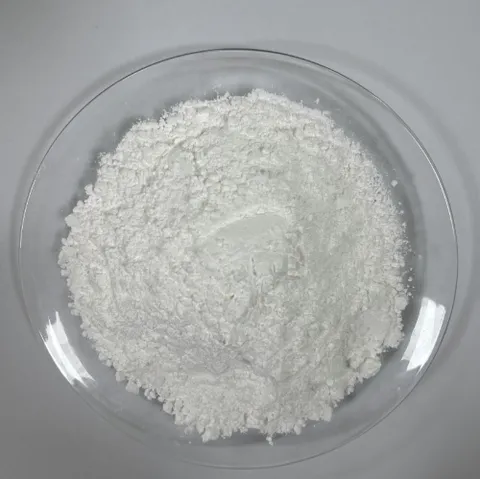
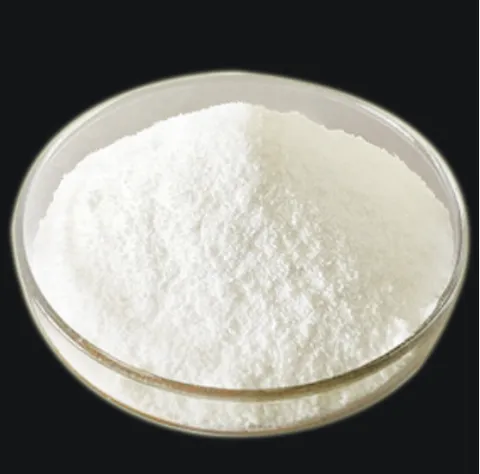
White crystalline solid or powder. Can also appear colorless.
-
-
Odour: Odourless.
-
Melting Point: Approximately 308°C (581°F; 581 K).
-
Boiling Point:
-
Decomposes at around 380°C (716°F; 653 K) before boiling, releasing oxygen and forming sodium nitrite (NaNO₂).
-
-
Density: Approximately 2.257 g/cm³
-
Solubility:
-
Water: Highly soluble (e.g., ~73 g/100 mL at 0°C; ~91.2 g/100 mL at 25°C; ~180 g/100 mL at 100°C). Its solubility increases significantly with temperature.
-
Other Solvents: Soluble in ammonia, hydrazine. Slightly soluble in ethanol, methanol. Practically insoluble in acetone.
-
1.3 Key Chemical Properties
-
Oxidizing Agent:
-
Sodium nitrate is a strong oxidizing agent, especially at elevated temperatures. It can react vigorously with reducing agents, organic materials, and flammable substances, potentially causing fires or explosions.
-
-
Thermal Decomposition: Decomposes upon heating (around 380°C) to form sodium nitrite (NaNO₂) and oxygen (O₂):
-
2NaNO₃(s) → 2NaNO₂(s) + O₂(g)
-
At higher temperatures (above 800°C), it can decompose further to sodium oxide (Na₂O), nitrogen (N₂), and oxygen (O₂).
-
-
Hygroscopicity:
-
Mildly hygroscopic, meaning it can absorb moisture from the air, especially at high humidity.
-
-
pH of Solution:
-
Aqueous solutions are neutral to slightly alkaline (pH ~6-9).
-
2.Production Technologies
2.1 Primary Production Methods
-
Synthetic Production (Haber-Bosch and Ostwald processes derivative): This is the dominant modern method.
-
Ammonia (NH₃) is synthesized via the Haber-Bosch process.
-
Ammonia is oxidized to nitric oxide (NO) and then to nitrogen dioxide (NO₂) via the Ostwald process.
-
Nitrogen dioxide is absorbed in a solution of sodium carbonate (soda ash) or sodium hydroxide (caustic soda) to produce sodium nitrate.
-
Using Sodium Carbonate: 2NO₂ + Na₂CO₃ → NaNO₂ + NaNO₃ + CO₂ (forms nitrite as well, needs further oxidation or separation if pure nitrate is desired, or specific conditions to favor nitrate)
-
More directly for nitric acid then neutralization: HNO₃ (from NO₂) + NaOH → NaNO₃ + H₂O
-
Or: 2HNO₃ + Na₂CO₃ → 2NaNO₃ + H₂O + CO₂
-
-
-
From Natural Deposits (Historical):
-
Historically, sodium nitrate was extracted from large natural deposits of "caliche" ore found primarily in the Atacama Desert of Chile and Peru (hence the name "Chile Saltpeter").
-
The ore was leached with hot water, and sodium nitrate was crystallized out by cooling the solution.
-
This method is now largely superseded by synthetic production due to cost and purity advantages, but some production may still occur.
-
2.2 Purification
-
Synthetic sodium nitrate is generally of high purity.
-
If derived from processes that also produce sodium nitrite, separation or further oxidation of nitrite to nitrate might be necessary depending on the desired purity.
-
Recrystallization can be used for further purification if needed.
2.3 Grades of Sodium Nitrate
-
Technical Grade:
-
Used in fertilizers, explosives, and general industrial applications. Purity typically ≥98-99%.
-
-
Food Grade (E251):
-
Higher purity, meeting standards for use as a food preservative and color fixative. Limits on impurities like heavy metals and arsenic.
-
-
Refined/Reagent Grade:
-
Very high purity for laboratory use and specialized applications
-
3.Applications
3.1 Fertilizers (Primary Use)
-
Nitrogen Source:
-
Provides nitrogen, an essential macronutrient for plant growth, promoting leafy vegetative growth.
-
-
Specialty Fertilizers:
-
Often used in specialty fertilizers for high-value crops (e.g., vegetables, tobacco, cotton) where a readily available nitrate source is preferred and chloride content needs to be low. It's less common as a bulk NPK fertilizer component compared to ammonium nitrate or urea due to its lower nitrogen content (approx. 16% N) and higher cost per unit of N.
-
-
Properties:
-
Quick-acting due to the nitrate form of nitrogen being directly available for plant uptake. Does not acidify soil as much as ammonium-based fertilizers.
-
3.2 Industrial Applications
-
Glass and Ceramics Industry:
-
Used as an oxidizing and fining agent in glass manufacturing to remove bubbles and improve clarity.
-
Component in some ceramic glazes and enamels.
-
-
Explosives and Pyrotechnics:
-
As an oxidizing agent in some types of explosives (e.g., historically in some dynamites, though largely replaced by ammonium nitrate).
-
Component in pyrotechnic compositions for fireworks (e.g., providing yellow color from sodium, and as an oxidizer), flares, and smoke mixtures.
-
-
Heat Transfer and Storage:
-
Molten sodium nitrate (often mixed with potassium nitrate) is used as a heat transfer fluid and for thermal energy storage in concentrated solar power (CSP) plants due to its high heat capacity and suitable temperature range.
-
-
Metal Treatment:
-
Used in heat treatment baths for metals (nitriding).
-
Component in some fluxes for soldering and welding.
-
-
Chemical Intermediate:
-
Used in the production of other chemicals, including nitric acid (less common now), sodium nitrite, and other nitrate salts.
-
3.3 Food Preservative (E251) and COlor Fixative
-
Meat Curing: Used in combination with sodium nitrite (E250) for curing meats (e.g., ham, bacon, sausages). Sodium nitrate itself is not directly active as a curing agent but slowly converts to nitrite in the product, which then performs the key functions:
-
Inhibits the growth of Clostridium botulinum, preventing botulism.
-
Develops the characteristic pink/red color of cured meats.
-
Contributes to the characteristic flavor.
-
-
Regulatory Status:
-
Its use is regulated due to concerns about the formation of nitrosamines (potential carcinogens) when nitrites react with amines in meat under certain conditions (e.g., high-heat cooking). Amounts are strictly controlled.
-
3.4 Other Niche Applications
-
Wastewater Treatment:
-
Can be used as an oxygen source for denitrifying bacteria in anoxic wastewater treatment processes.
-
-
Pharmaceuticals:
-
Limited use, sometimes as an antidote for cyanide poisoning (though other agents are preferred).
-
-
Charcoal Briquettes:
-
Can be added to aid ignition.
-
-
Laboratory Reagent:
-
As an oxidizing agent and a source of nitrate ions in chemical analysis and synthesis.
-
4.Market Analysis
4.1 Global Market Overview
-
Market Size:
-
A mature market with significant global consumption, primarily driven by fertilizer and industrial applications.
-
-
Growth Trends:
-
Moderate growth, influenced by agricultural needs, industrial development (especially in glass, ceramics, and solar energy), and food processing trends. The decline in some historical uses (e.g., as a primary explosive component) has been offset by growth in others.
-
-
Production Landscape:
-
Dominated by synthetic production. Chile still has reserves but its global market share for natural sodium nitrate is much smaller than in the past.
-
4.2 Key Market Dynamics
-
Drivers:
-
Demand for specialty fertilizers in horticulture and for certain crops.
-
Growth in the glass and ceramics industries.
-
Emerging demand in concentrated solar power (CSP) for thermal energy storage.
-
Continued use in food preservation (though under scrutiny).
-
Relatively stable supply from synthetic production.
-
-
Restraints:
-
Lower nitrogen content and higher cost per unit of N compared to other nitrogen fertilizers like urea or ammonium nitrate, limiting its use in bulk agriculture.
-
Health and regulatory concerns regarding nitrates/nitrites in food.
-
Competition from alternative materials in some applications (e.g., other oxidizers in explosives).
-
Its oxidizing nature requires careful handling and storage, which can add to costs.
-
4.3 Regional Aspects
-
Production:
-
Major producers are countries with strong chemical industries, including China, European countries, and the USA.
-
-
Consumption: Distributed globally.
-
Asia-Pacific: Significant consumer due to its large agricultural sector and growing industrial base (glass, ceramics).
-
Europe & North America: Mature markets with demand in specialty fertilizers, food processing, and industrial uses.
-
Latin America: Still some demand for agricultural use, especially with its historical link to Chilean production.
-
5.Upstream and Downstream Linkages
5.1 Upstream Linkages (inputs for production)
-
Synthetic Route:
-
Ammonia (NH₃): From the Haber-Bosch process (natural gas is a key feedstock).
-
Sodium Carbonate (Na₂CO₃ - Soda Ash) or Sodium Hydroxide (NaOH - Caustic Soda): Major industrial alkali chemicals.
-
Energy for chemical reactions and processing.
-
-
Natural Route (Historical/Minor):
-
Mining and leaching of caliche ore.
-
5.2 Downstream Linkages (outputs and consumers)
-
Fertilizer Industry:
-
Manufacturers and distributors of specialty fertilizers.
-
-
Glass and Ceramics Industry:
-
Manufacturers of flat glass, container glass, specialty glass, and ceramic products.
-
-
Explosives and Pyrotechnics Industry:
-
Manufacturers of commercial explosives (limited use now) and fireworks.
-
-
Food Processing Industry:
-
Meat processors and producers of cured meat products.
-
-
Energy Sector:
-
Operators of concentrated solar power (CSP) plants.
-
-
Chemical Industry:
-
Users of sodium nitrate as a chemical intermediate or oxidizing agent.
-
-
Distribution:
-
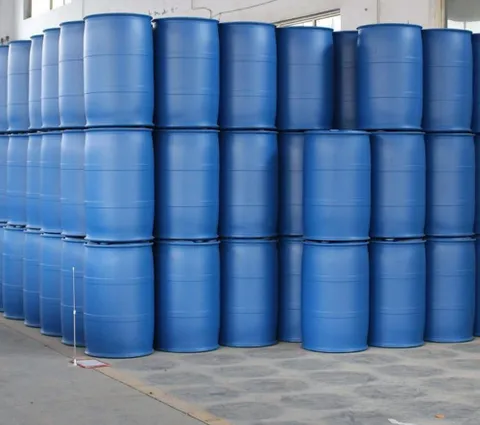
Typically supplied in bags or bulk for industrial and agricultural grades. Food grade requires specific handling and packaging.
-